Cleaning Tools & Accessories
Products · Cleaning Tools & Accessories
1 active deal
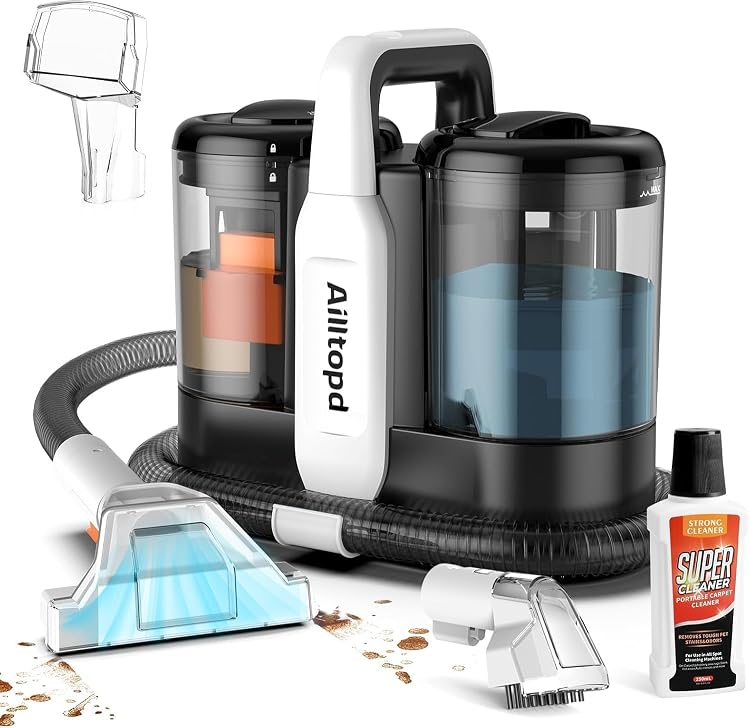
Choosing cleaning tools for the surface and the job
Cloths, brushes, kits and attachments are useful when they reach the dirt without damaging what lies underneath. This category covers tools sold without a complete cleaning appliance, including dryer-vent kits. Before selecting a large assortment, identify the surface, available access and the components you will eventually need to replace.
Match the tool's shape to the dirt
A cloth collects dust and moisture on accessible surfaces; a narrow brush reaches joints and corners, while a vent kit addresses deposits along a particular passage. Choose heads for their dimensions and actual access rather than the accessory count. An oversized brush will not enter the opening. A tiny one takes more passes and may concentrate too much pressure on a small area.
- Measure openings and ensure the head can enter and withdraw without jamming.
- Distinguish loose debris, stuck-on grease and areas that cannot tolerate water.
Check fibres, bristles and contact edges
Microfibre, cotton and different bristle stiffnesses behave differently. Check suitability for the finish: a tool appropriate for tiles may scratch glossy plastic or a treated surface. Particles trapped in a cloth can cause scratches too. Test an inconspicuous area first and follow the surface manufacturer's care instructions, particularly for non-stick coatings and delicate finishes.
- Look for soft seams and no exposed metal where the tool touches the surface.
- Removing visible dirt does not establish that a brush disinfects anything.
Assess reach, grip and attachment fittings
A long handle may reduce awkward reaching but make control harder in a confined space. Consider grip with wet hands and secure attachment of detachable heads. Vacuum accessories need matching connector diameters and fittings. For dryer vents, check the duct diameter, material and bends. Rotary rods and a drill should be used only as the kit directs and the appliance instructions allow.
- Prepare the dryer according to its manual; do not improvise gas or electrical connections.
- Inaccessible, damaged or uncertain duct arrangements call for professional assistance.
Plan washing, drying and spare components
Check how each piece is washed and whether replacement heads or cloths are available individually. Tools that retain water around a joint need thorough drying and ventilated storage. Keep bathroom tools separate from those used in the kitchen to avoid transferring dirt. Replace distorted bristles, damaged cloths and loose fittings; pressing harder does not restore a worn tool's effectiveness.
- Follow any instruction to avoid fabric softener when washing a particular cloth.
- Count useful consumables in a kit, not just the handles it contains.