Electric Generators
Products · Electric Generators
2 active deals
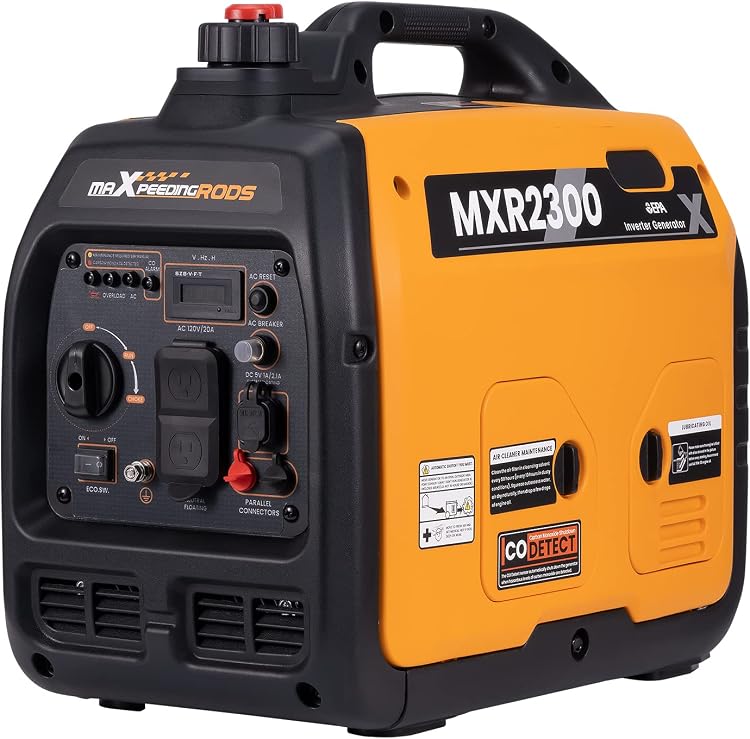
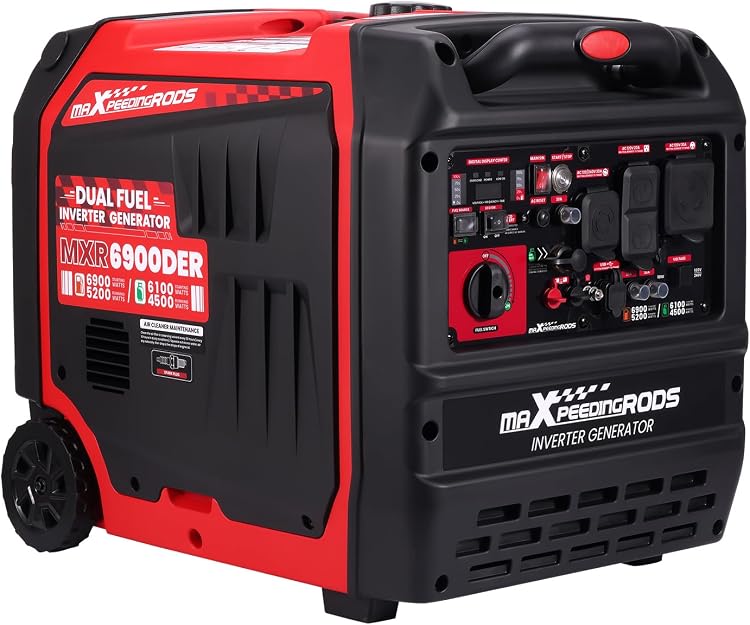
Electric generators: usable power and realistic operating conditions
This category covers electricity generated by combustion engines, not battery stations advertised as solar generators. The first decision is not fuel: it is whether you have a suitable outdoor location and which loads need support. Without that space, a generator does not solve household backup needs.
Continuous power versus starting surges
List equipment that would run simultaneously and check its running and starting demand where available. Motors and compressors may need a surge different from normal consumption. Compare the generator's continuous rating, not just an advertised maximum, and each outlet's limits. If an important load lacks information, obtain advice before sizing the generator. Do not assume every socket can jointly deliver any combination of the declared overall output.
Inverter technology and load compatibility
Inverter technology is a generator attribute, not a different energy source. It may be relevant for sensitive equipment, but the word alone does not confirm compatibility: review output documentation and the powered appliance's requirements. Check market-appropriate voltage, frequency and socket type too. For medical equipment backup or critical needs, a buying guide is not a continuity guarantee; a specific assessment and suitable solution are necessary instead of relying on a generic rating.
Fuel, runtime and daily effort
Compare runtime only with the declared load and conditions: an advertised low-load duration does not describe a day near maximum output. Review permitted fuel, local availability, maintenance and transport weight. Wheels help on some surfaces but do not eliminate lifting or moving the machine. Noise figures require distance and conditions for comparison. Check storage instructions and the support available for engine maintenance before deciding whether it suits occasional or regular use.
Safe siting limits the purchasing decision
Combustion generators must not operate indoors, in garages or in partly enclosed spaces, even with openings. Carbon monoxide requires suitable outdoor siting and compliance with manufacturer distances and warnings. Automatic detection does not make an unsuitable location safe. Never connect a generator to a household socket to energise the home. Circuit connection needs qualified assessment and installation; do not improvise shelters that trap exhaust or refuel while the engine runs or remains hot.