Pet Grooming & Health
Explore Pet Grooming & Health by subcategory and find the deals you are looking for.
Subcategories
Products · Pet Grooming & Health
5 active deals
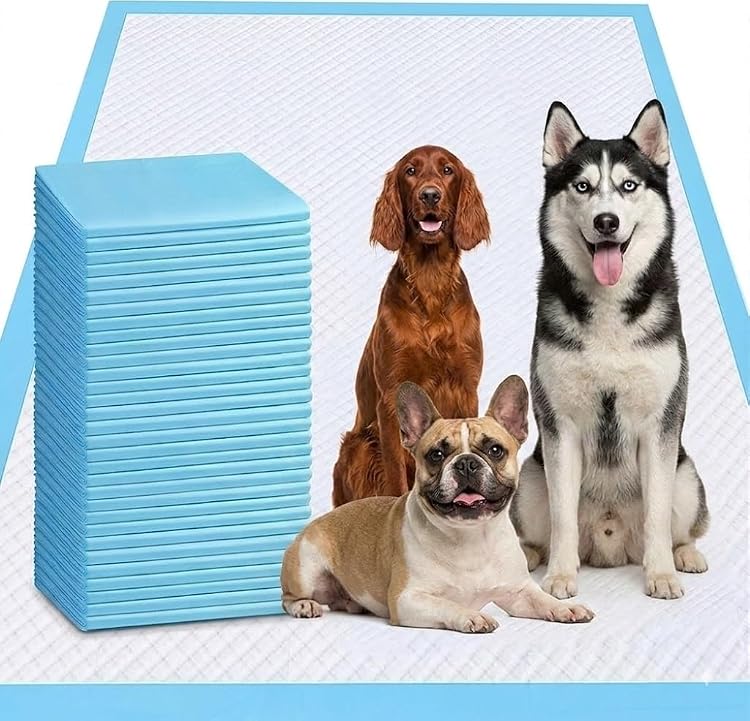
Odorless Extra-Large Puppy Training Pads, 40 Pack
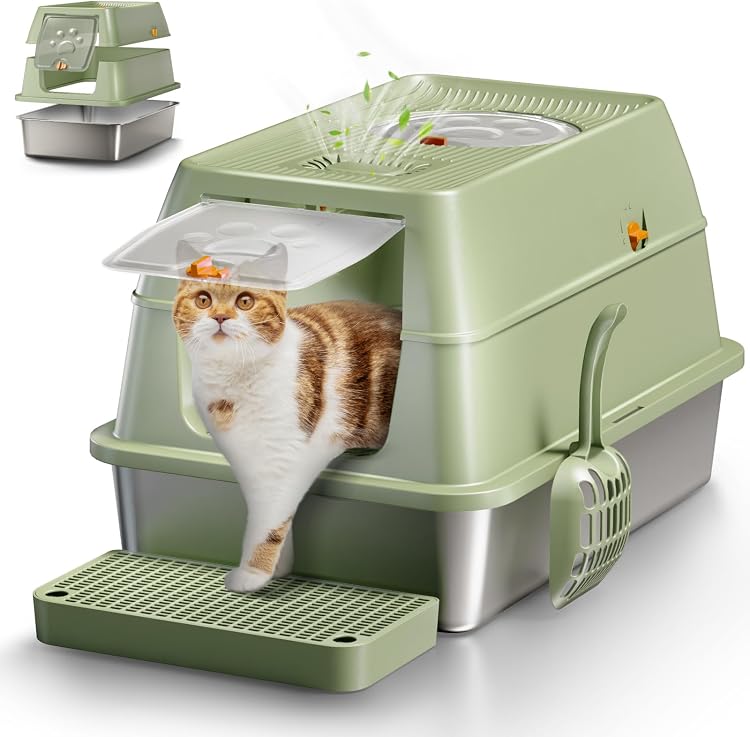
Eosarcu XL Enclosed Stainless Steel Cat Litter Box, Green

MeowWhimsy S7 Automatic Self-Cleaning Litter Box
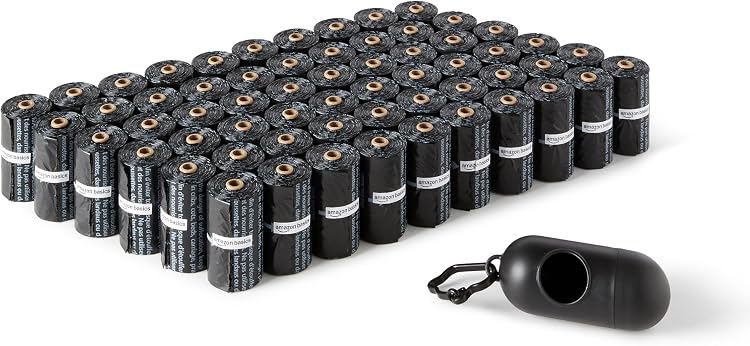
Amazon Basics Dog Waste Bags, 900 Count, Unscented

Amazon Basics TRP100R Dog and Puppy Pads, 22 x 22 in, 100 Count
Pet grooming and health: separate routine cleaning from specialist care
This category brings together needs that look similar on a shelf but have different purposes. Removing waste, maintaining a coat and addressing a health concern require separate decisions. Identify the handling task you want to improve and distinguish label-based selection from questions requiring veterinary advice.
Litter and sanitation: plan waste removal
Choose consumables for the species, the container and its cleaning method. For a litter tray, texture, dust generation and acceptance matter as much as the smell a person notices. Strong fragrance does not establish better hygiene.
Match package size to storage and removal routine. Check compatibility with automatic systems and stated disposal instructions. Biodegradable does not mean that flushing the material down a toilet is authorised.
Grooming: match tools to coat and tolerance
Select a brush for coat type and length rather than animal size alone. Examine tips, access for cleaning the head and ease of handling. A tool that pulls can turn a straightforward routine into an unpleasant experience.
Shampoos must be intended for the species and stated use. Clippers add noise, heat and maintenance. Seek professional help for tightly attached mats, delicate areas or animals that do not tolerate handling.
Health: verify before selecting a product
Distinguish a care accessory from something promising to treat disease. Check manufacturer identification, intended animal, restrictions and storage. Animal-oriented packaging does not make products interchangeable between species.
For injury, pain, new symptoms or an ongoing treatment, consult a veterinarian before adding products. Do not adapt human medicines, derive doses from package size or treat a marketing promise as a diagnosis.
Build a routine that makes changes noticeable
Prefer products you can use and clean calmly, with readable instructions and available replacements. Keep environmental cleaning equipment separate from body-care tools. Check closures, expiry and secure storage away from animals.
Changing several products at once makes acceptance harder to understand. Observe tolerance and equipment condition without assuming guaranteed benefits. Stop use and seek suitable advice if strong rejection or irritation develops; increasing quantity or frequency does not automatically solve the problem.