Household Cleaning
Products · Household Cleaning
1 active deal
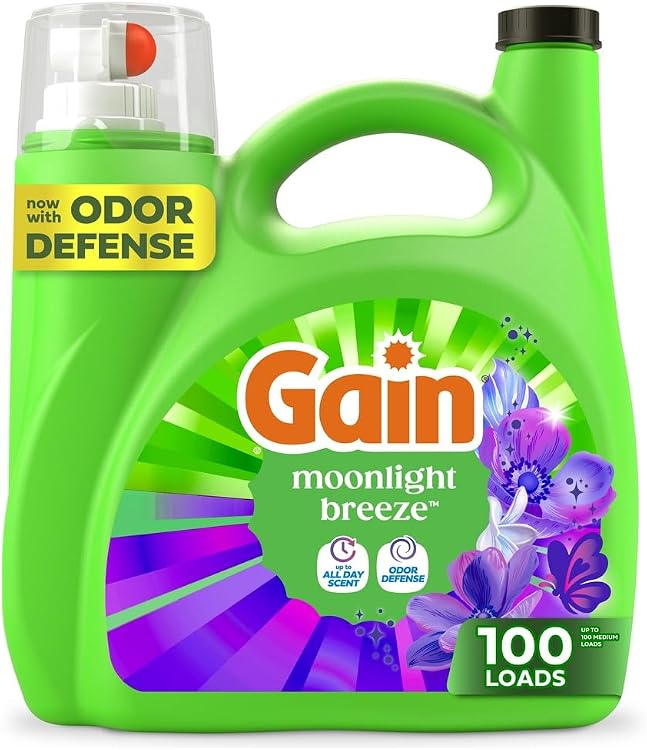
Household cleaning: match the formula to the job and surface
A cleaning cupboard can quickly fill with bottles promising to do everything. A useful selection starts with what needs removing and the material underneath it, rather than the strongest-looking formula. This category covers detergents, cleaners, air fresheners and household cleaning chemicals, not vacuum cleaners or other appliances.
Separate the jobs before choosing a formula
Laundry, kitchen grease, limescale deposits and glass cleaning involve different tasks. A multipurpose cleaner may handle everyday dirt when its label permits that use, but it does not automatically replace specialist products. For dishes, distinguish hand-washing detergent from dishwasher detergent: they are not interchangeable. For laundry, check which fabrics are suitable and which are excluded.
- An air freshener changes how a room smells; it does not remove dirt or replace cleaning.
Account for the finish, not just the material
The visible material is only part of the picture: a surface might be varnished, waxed or coated. Consult both the cleaner's instructions and the surface manufacturer's guidance. Natural stone, wood and delicate finishes can have different restrictions. Do not assume a bathroom cleaner suits every material in a bathroom. Where a discreet patch test is specified, follow that instruction.
Keep cleaning separate from documented disinfection
A visibly clean result or strong smell does not demonstrate disinfection. Consider that function only when it is documented for the intended use, and follow the label's conditions, including contact time and rinsing requirements. Never mix cleaning chemicals. Read the manufacturer's warnings and instructions for ventilation and protective equipment; a natural-sounding description does not establish that a product is harmless.
Compare ready-to-use liquids, concentrates and unit doses
A ready-to-use cleaner avoids preparing a dilution; a concentrate requires exact adherence to the dosing instructions. Unit doses provide a predetermined amount but may suit smaller jobs less well. Compare cost per use only using declared yield and equivalent conditions. Extra foam or a larger amount does not guarantee better cleaning and may create more residue or additional rinsing.
- Check that a refill is intended for the particular product and container specified by the manufacturer.
Treat fragrance and storage as practical constraints
A lingering fragrance can be unwelcome in small rooms or for people sensitive to perfume. Fragrance-free does not remove all of a product's warnings either. Choose a size you can store safely, in its original container and beyond children's and pets' reach, following the label. Never transfer cleaners to drinks bottles or store unidentified refills.