Pantry & Ingredients
Products · Pantry & Ingredients
4 active deals
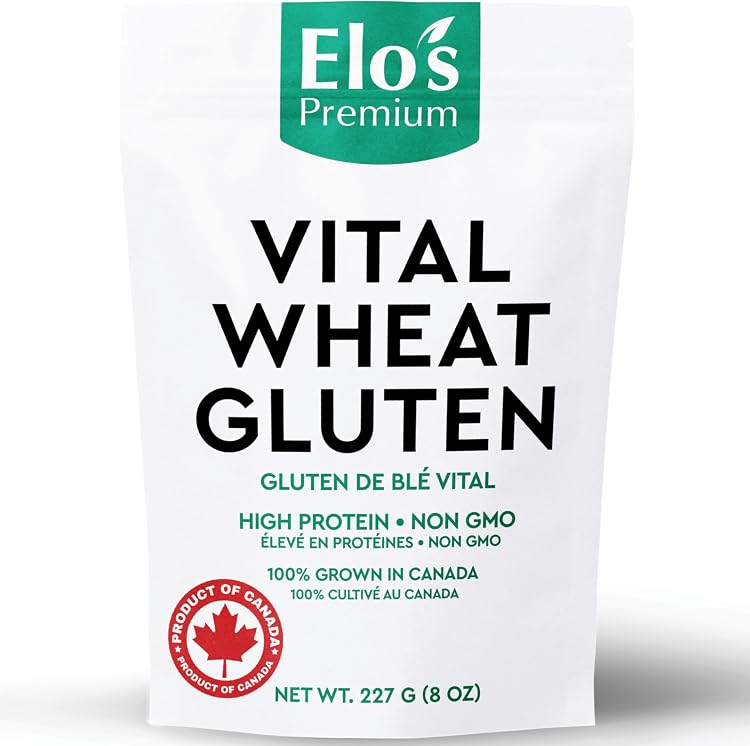
Elo’s Premium Vital Wheat Gluten, 8 oz
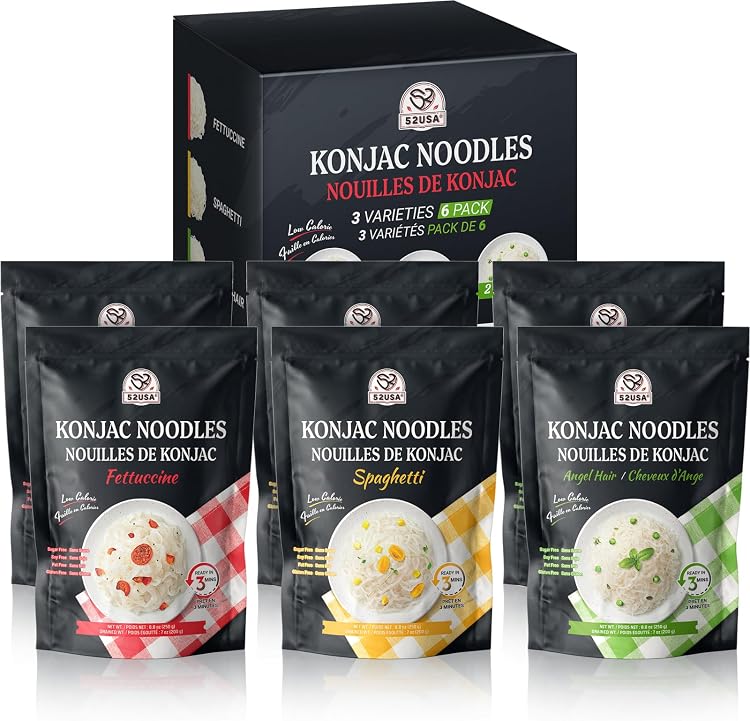
52USA Konjac Shirataki Noodles, 52.8 oz, 6-Pack
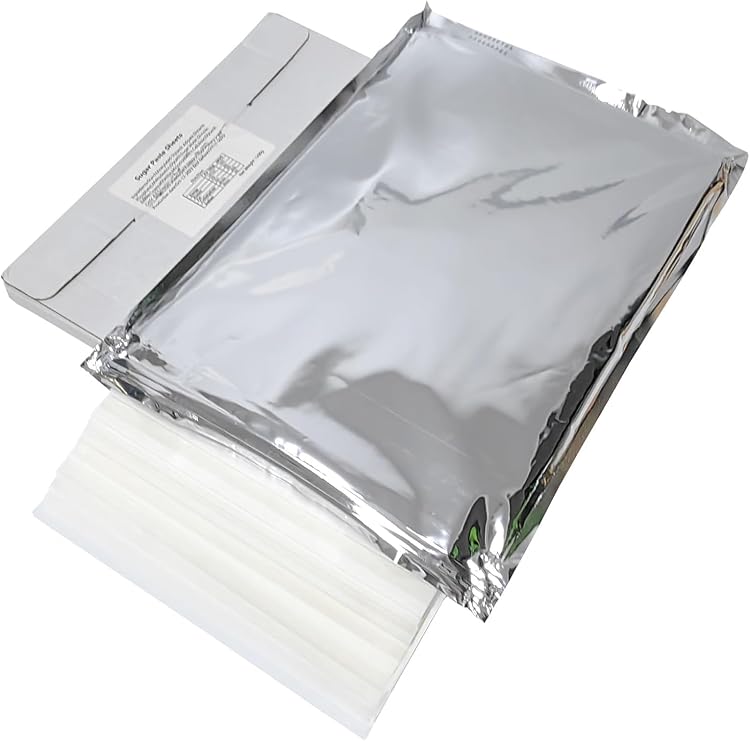
FUTEBO A4 Edible Icing Sheets, 25-Pack
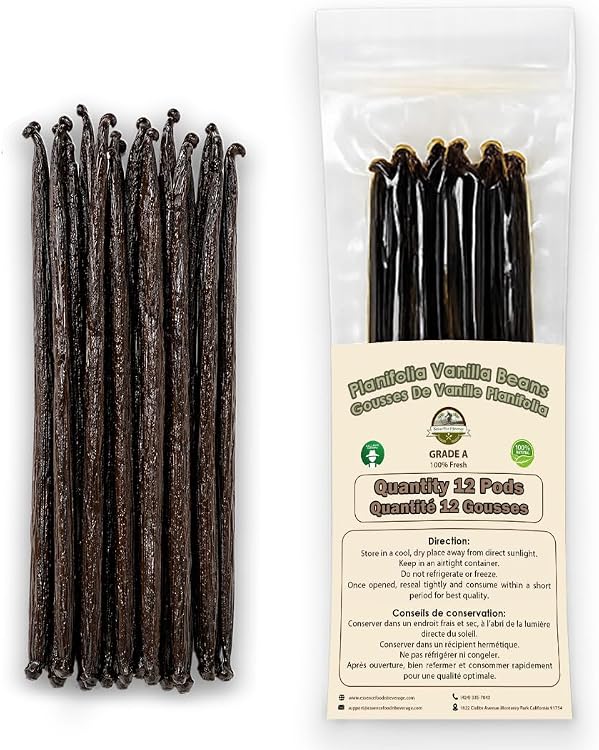
ESSENCE FOOD & BEVERAGE Grade A Vanilla Beans, 12 Pods
Pantry ingredients: buy for cooking, not just for storage
A useful pantry holds ingredients that fit your recipes and are used at an appropriate pace. Rice, pasta, flour, oil and sauces look like simple purchases, but a different variety, format or concentration can change preparation, results and the amount you actually use.
Let the recipe matter more than pack size
Rice for a creamy dish and rice meant to stay separate require different choices. Pasta shape and thickness affect the stated cooking time and how it works with the sauce. For flour, check the type and recommended use instead of treating everything called flour as interchangeable. Buy around dishes you regularly make. A large bag of a rarely used ingredient takes up space and extends storage without improving the result on your plate.
Choose oils and sauces by use and concentration
Distinguish oil for cooking from one selected mainly for flavour in unheated dishes, following stated uses. For sauces, check ingredients and whether they are ready to serve, concentrated or need further recipe ingredients. Compare quantities for the same use: a smaller jar of concentrate does not necessarily provide fewer servings without knowing its preparation. Read salt, sugar and allergen information where relevant. A sauce name does not prove that every brand uses the same recipe.
Consider usable weight and manageable packaging
For preserved ingredients packed in liquid, examine drained weight when given and decide which parts you will use. Individual portions can help when you open little at a time. Large containers may suit frequent cooking if kept according to the label. Think about measuring, pouring and closing without contaminating the contents. Do not assume a reusable container extends the food's keeping time, or combine leftovers from different batches without preserving their identification.
Storage conditions may change after opening
Check moisture, light and temperature instructions before choosing a storage place. A sealed pantry product may need refrigeration once opened. If decanting, retain dates, ingredients and warnings and use clean containers suitable for food. Put products needing earlier use at the front. Note when you open each package and follow that product's stated after-opening period as well as its printed date. If you have allergies, verify each label and cross-contact warning: the appearance of an ingredient is not enough to confirm its composition.