Vehicle Lighting & Signals
Products · Vehicle Lighting & Signals
2 active deals
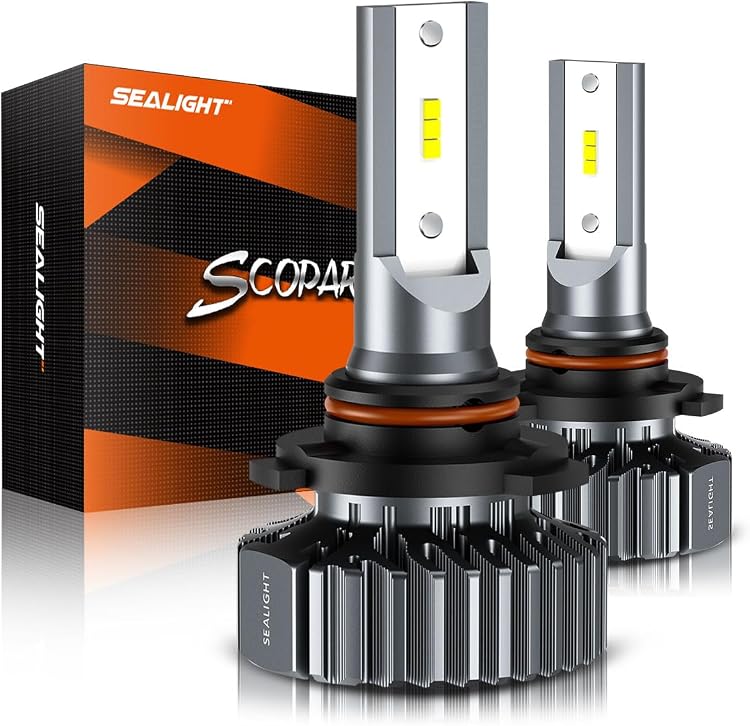
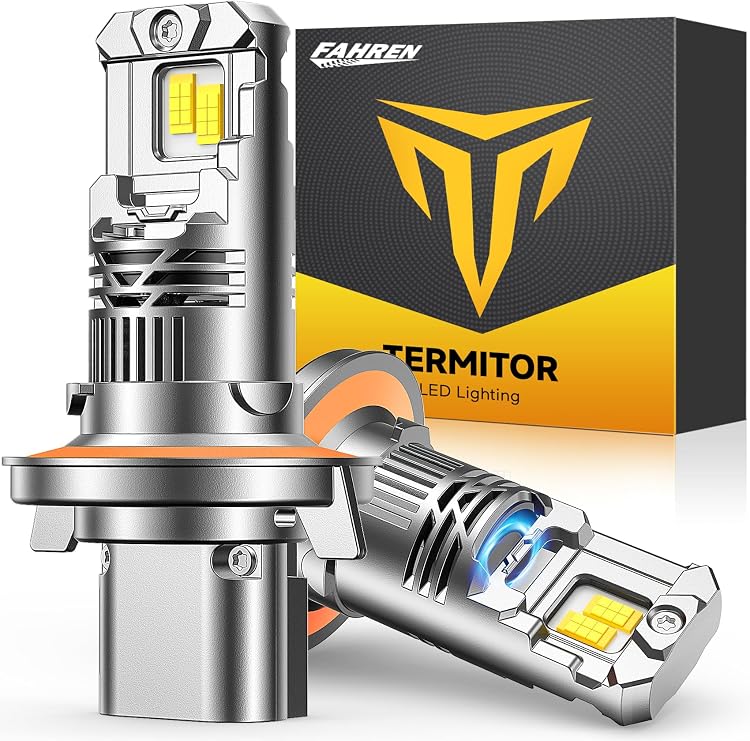
Choosing vehicle lighting and signal replacements
A bulb that fits the socket is not automatically the right replacement. Headlights, rear lamps, turn signals and fog lights operate within a specific optical and electrical system. Identify the failed component and the exact replacement specification for your car or motorcycle before comparing brightness, colour or styling.
Match the component to its job
Check model, year, trim, original market and manufacturer part number; the vehicle identification number can resolve different equipment versions. The same model may use halogen, discharge or LED headlights. Distinguish replaceable bulbs from sealed assemblies and verify the side, location and lighting function: dipped beam, main beam, braking, position marking or signalling. A similar outer shape does not establish mounting compatibility.
- Compare the base, connector, mounting points and dimensions with the original component.
- Check whether the assembly supplies its controller, seals and adjustment parts or reuses existing ones.
Check the electrical specification
Follow the system's specified voltage, wattage and lighting technology. Different electrical loads can trigger bulb warnings, flickering or overheating. A “CAN bus compatible” claim does not cover every vehicle. LED conversions also require space for the driver, cooling arrangement and rear cover; a matching connector does not prove that the headlight optics will produce an appropriate beam.
- Look for documented support for your equipment version, not just a bulb size chart.
- Do not improvise resistors or wiring changes to suppress faults; seek qualified advice.
Confirm road legality and beam direction
For road use, verify the rules in the country where the vehicle will operate and the product's permitted use with that particular vehicle and lamp. A marking or seller's claim is not universal approval. Replacing halogen with LED may be prohibited even when installation is physically possible. Light colour, signal function and beam alignment must also suit the authorised application.
- Separate road lighting from accessories intended only for private sites or other non-road applications.
- Check optics for left-hand or right-hand traffic and whether replacement requires an alignment check.
Inspect sealing and future servicing
Assess seals, covers, ventilation and connector quality; one protection rating does not describe the weather resistance of the entire installation. More lumens do not ensure better visibility if light scatters or dazzles others. Consider replacement access, controller availability and lens cleaning. Persistent moisture, broken mounts or poor alignment call for inspecting the assembly, not simply fitting a higher-powered bulb.
- Compare light uniformity and colour temperature with the lamp on the opposite side.
- Follow installation instructions; discharge systems and complicated work need suitably qualified personnel.